Edson Pavoni
Orbital
Orbital
Witnesses
kinetic sculpture series / 2026
Who, down here, is watching the sky we have already claimed?
The Orbital Temple satellite circles the Earth carrying thousands of names. The Orbital Witnesses are the terrestrial body of that orbit: twelve objects that make an invisible presence tactile, present, and accountable.
Twelve sculptures. Twelve texts. Twelve witnesses to the same invisible orbit.
The Orbital Temple satellite circles the Earth carrying thousands of names. The Orbital Witnesses are the terrestrial body of that orbit: twelve objects that make an invisible presence tactile, present, and accountable.
Twelve sculptures. Twelve texts. Twelve witnesses to the same invisible orbit.
Orbital Witnesses, 2026. The Witnesses keeping the orbit's rhythm.
The Twelve
Eleven are engraved, each in the artist's own handwriting. One is silent by design. Tap a witness to read it.
Eleven are engraved, each in the artist's own handwriting. One is silent by design. Tap a witness to read it.
How does it work?
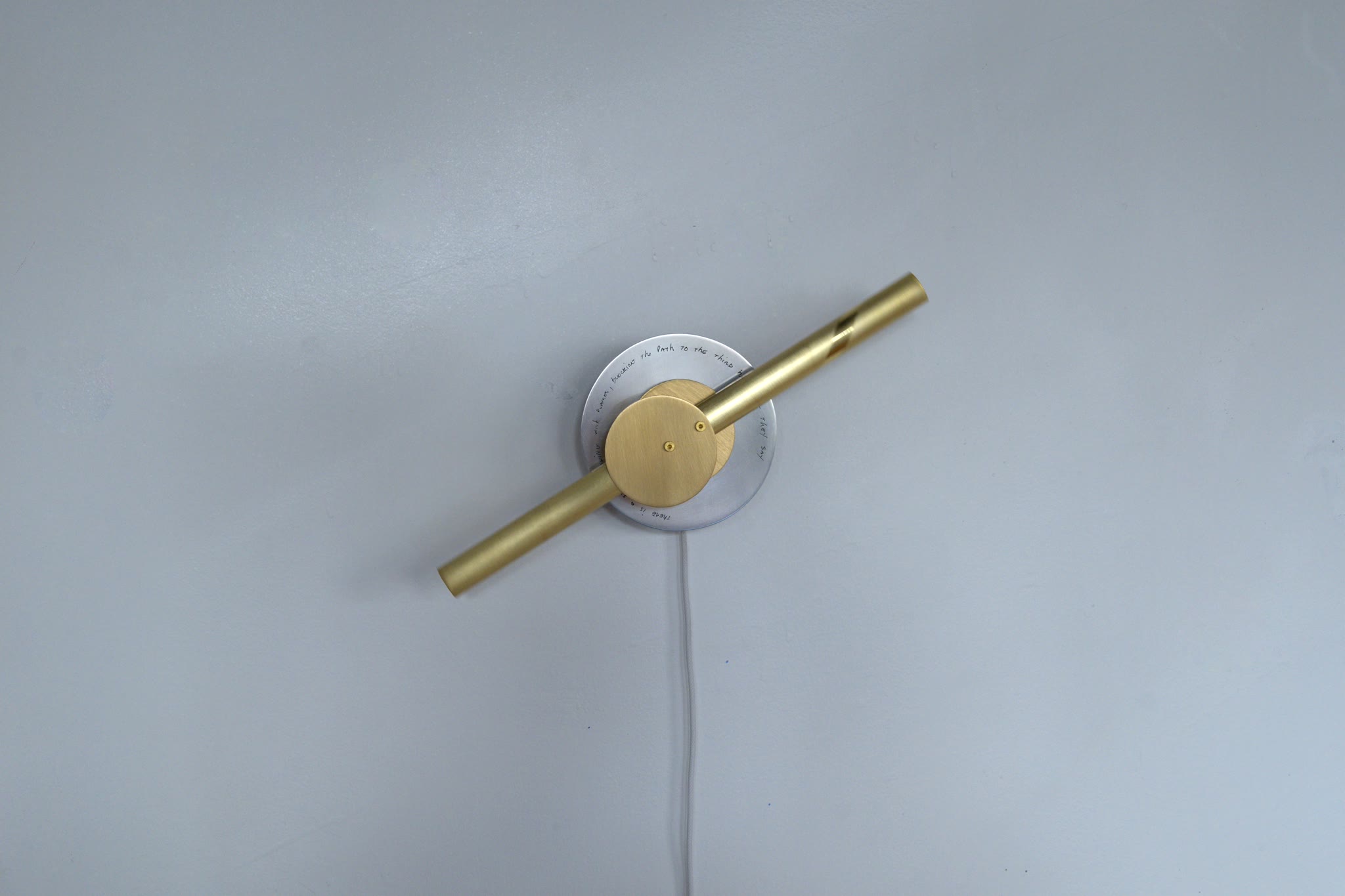
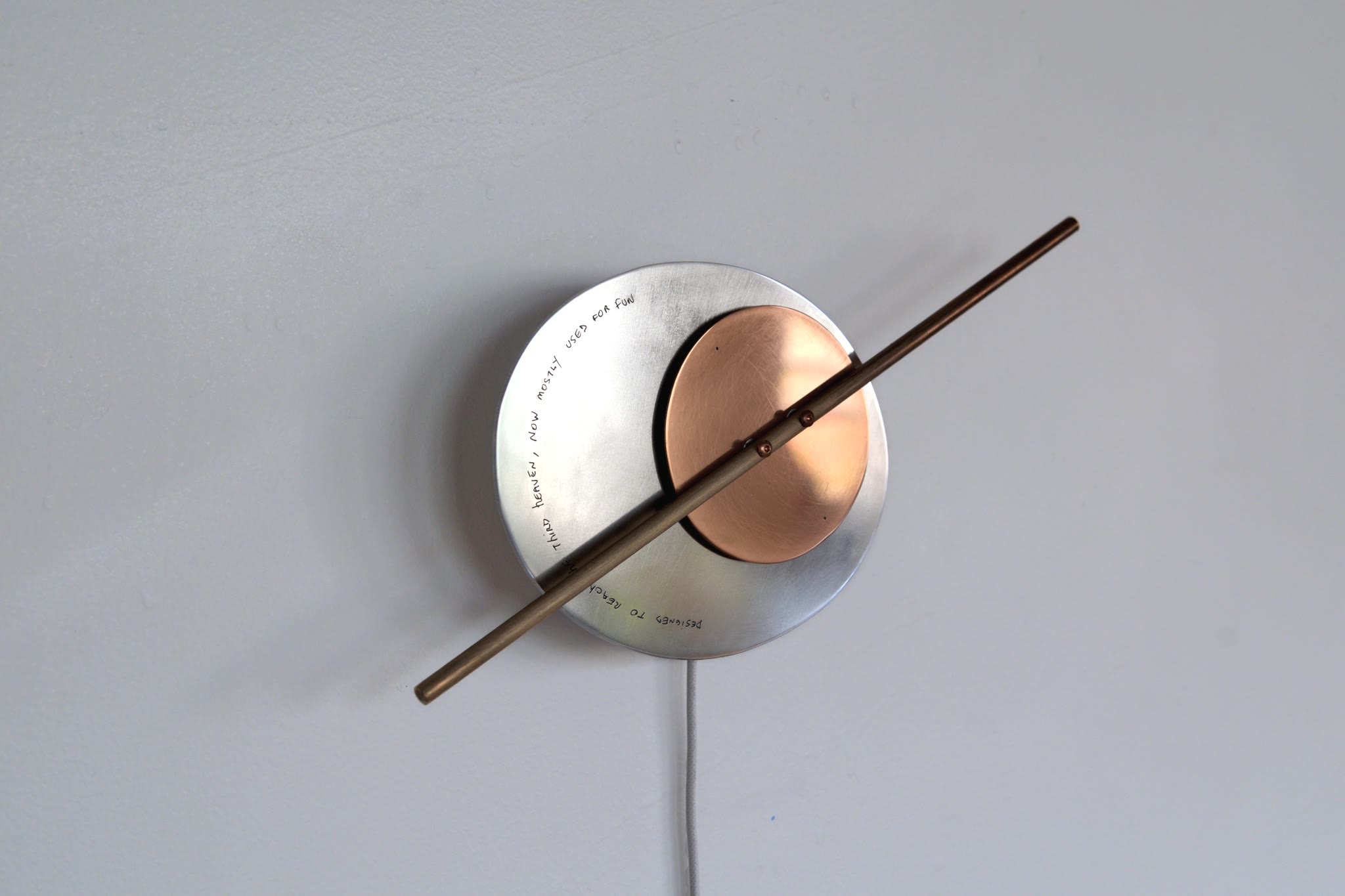
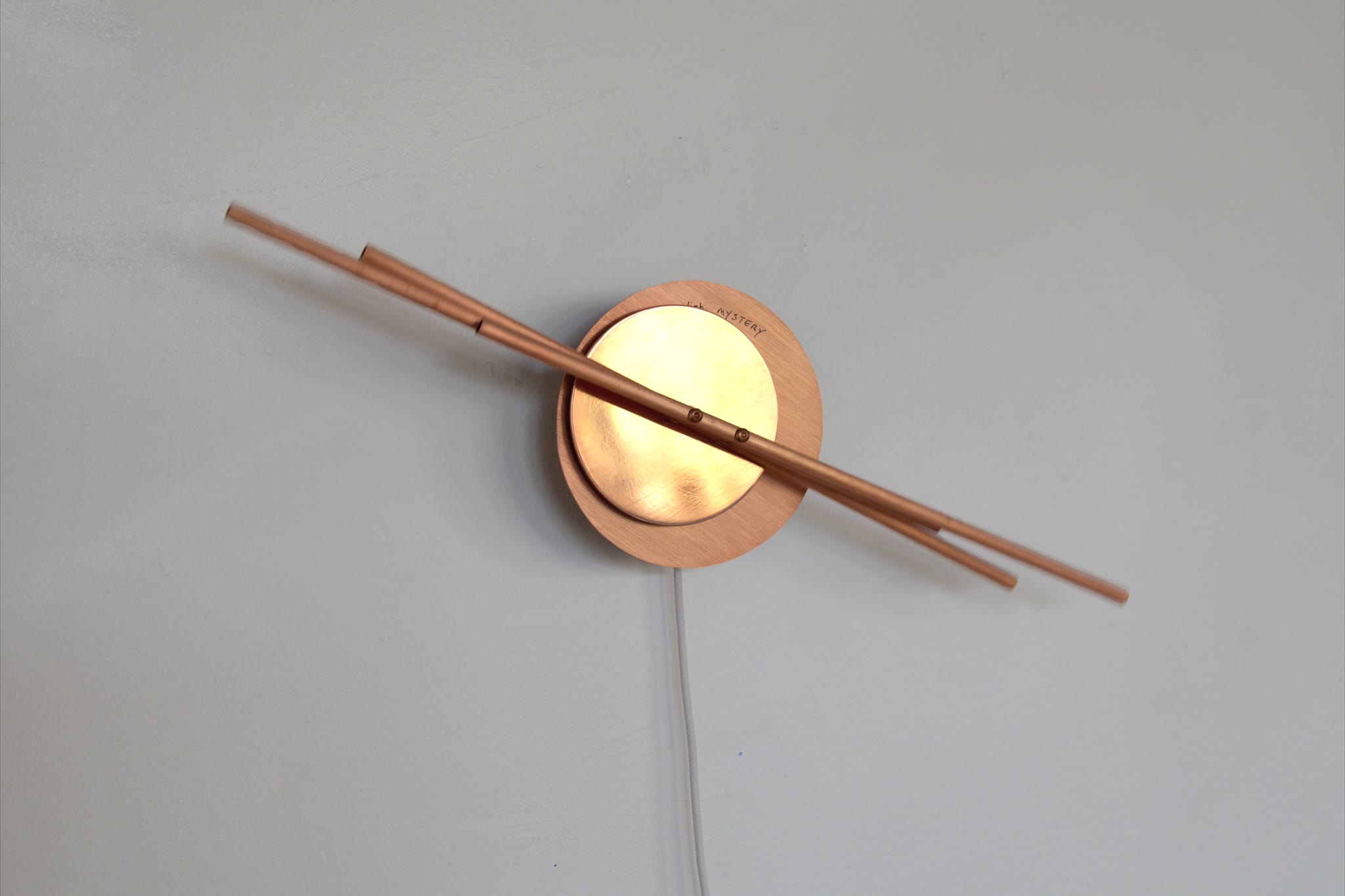
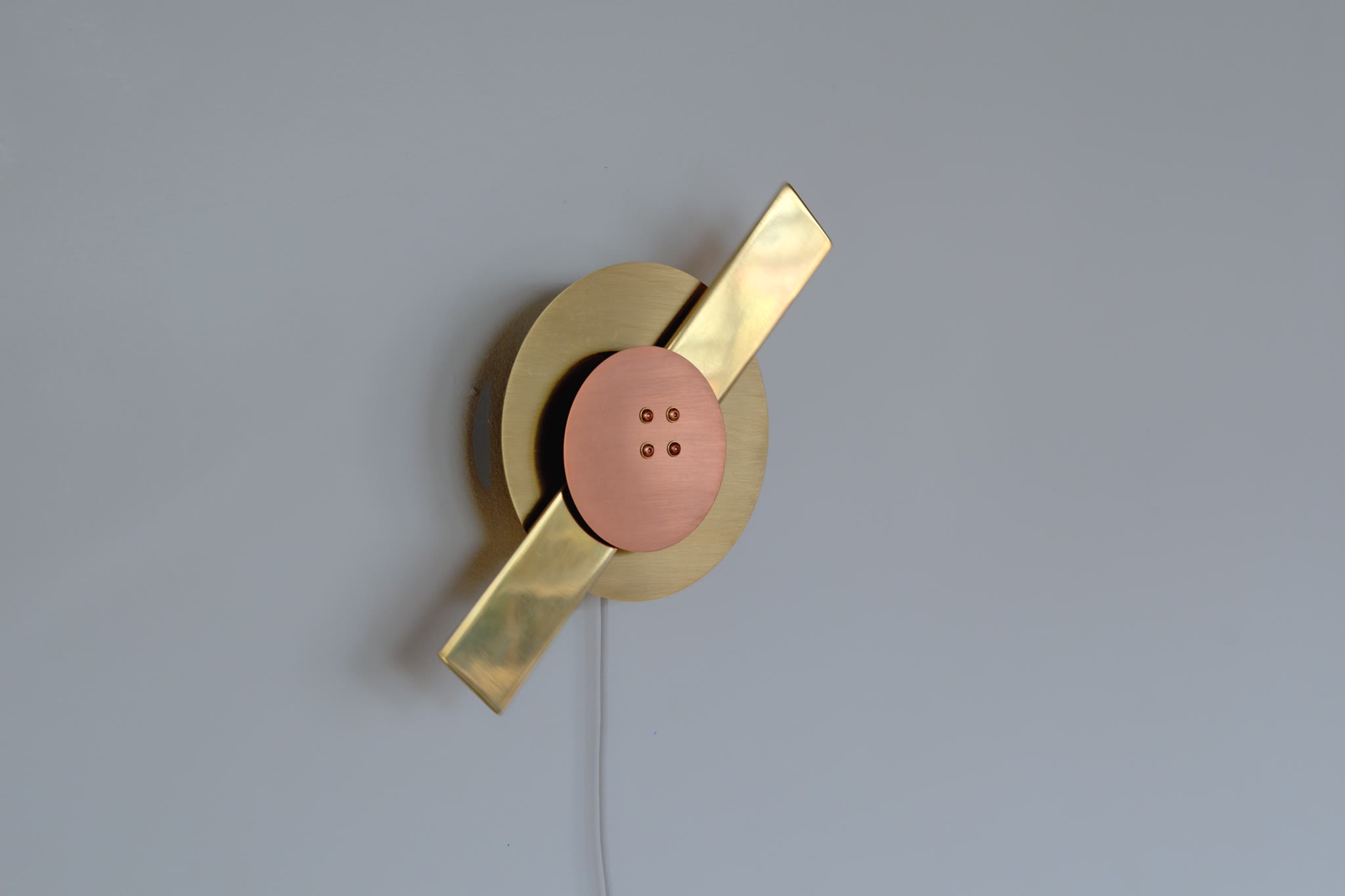
Each Witness carries a brushless motor and a microcontroller. The metal pointer turns to trace the satellite's passage overhead, then stills when the orbit has moved on, and waits for it to return.
Movement, then rest. The piece keeps the rhythm of something it cannot see.
Each Witness carries a brushless motor and a microcontroller. The metal pointer turns to trace the satellite's passage overhead, then stills when the orbit has moved on, and waits for it to return.
Movement, then rest. The piece keeps the rhythm of something it cannot see.
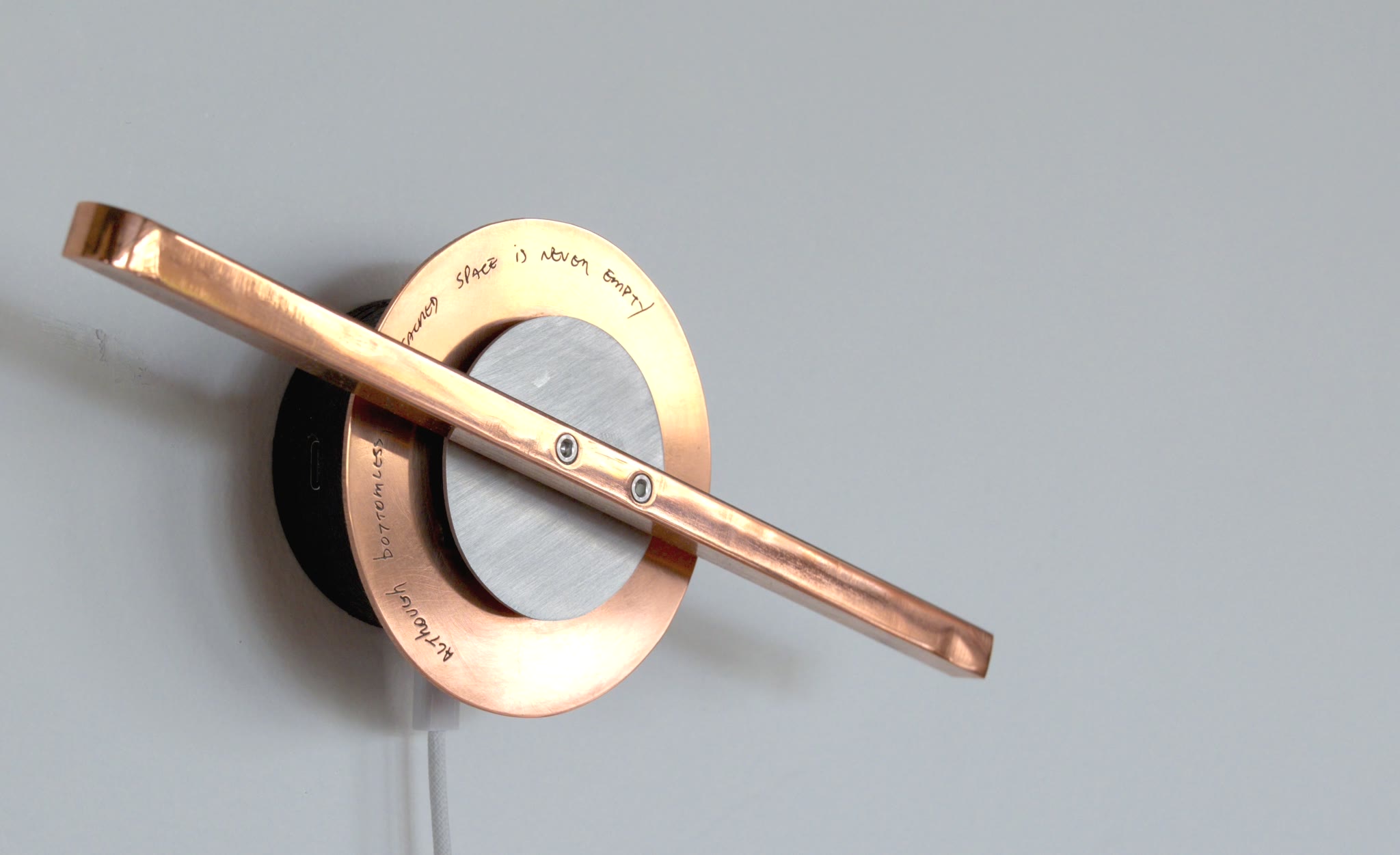
The pointer crossing the engraved lid.
Photo by Edson Pavoni.
Photo by Edson Pavoni.
The series does not offer a single voice. It offers a constellation.
Twelve texts drawn from a range of positions: the colonized heaven, the bureaucracy of
admission and denial, the witness who refuses transcendence, the witness who surrenders
to it, the one drinking on a beach while others resolve the universe with certainty.
Together they form an argument about what it means to watch a sky that someone has
already claimed, already divided, already named as sacred or forbidden.
No single witness completes the argument. The series is the argument.
No single witness completes the argument. The series is the argument.
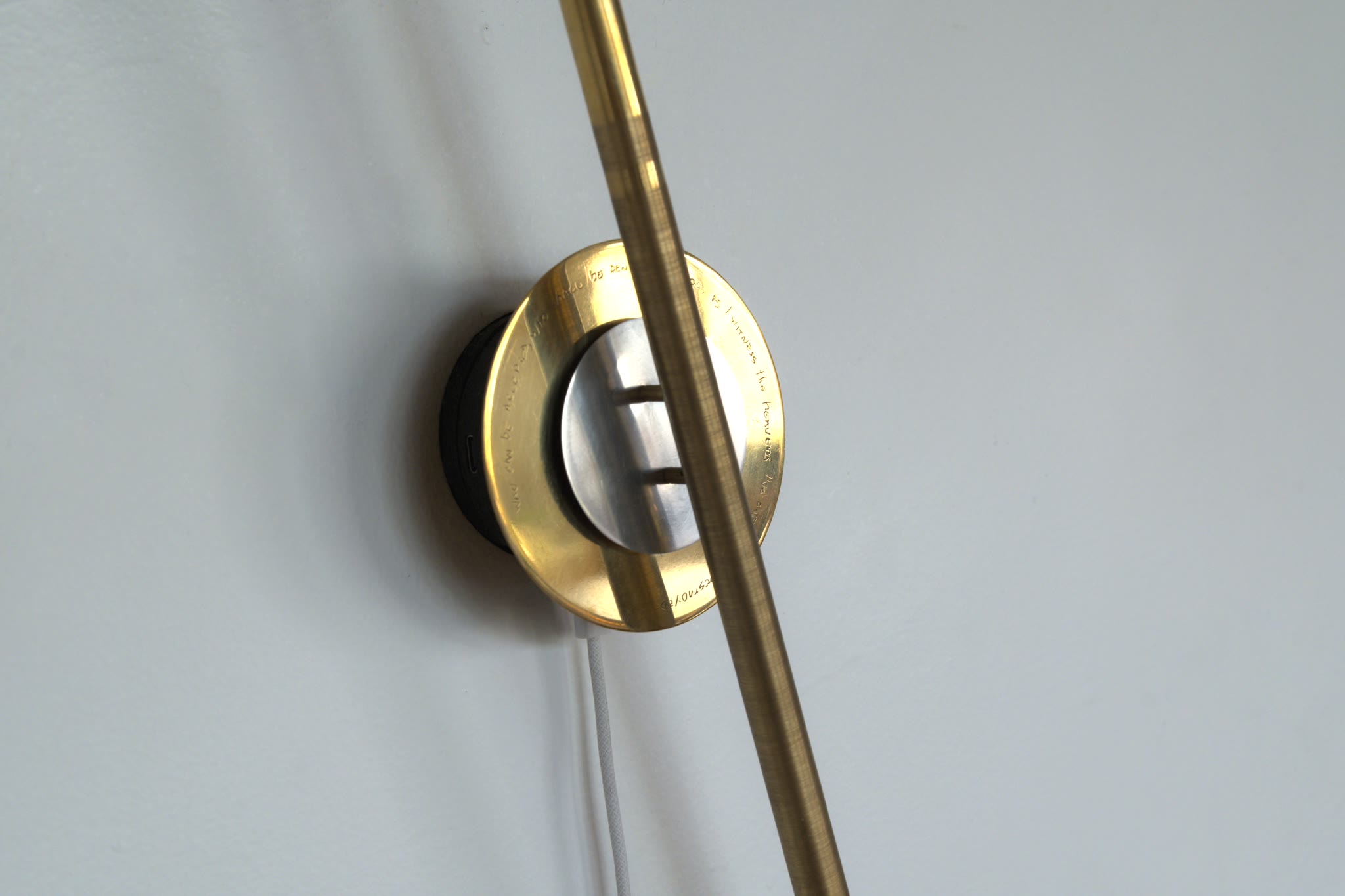
Witness One
who can be accepted, who shall be denied, I'm god, as I witness the heavens I've created and destroyed
The series opens by claiming the throne: the voice that decides who enters and who is turned away, the bureaucracy of admission spoken in the first person of a god. It is the position the other eleven spend the series answering.
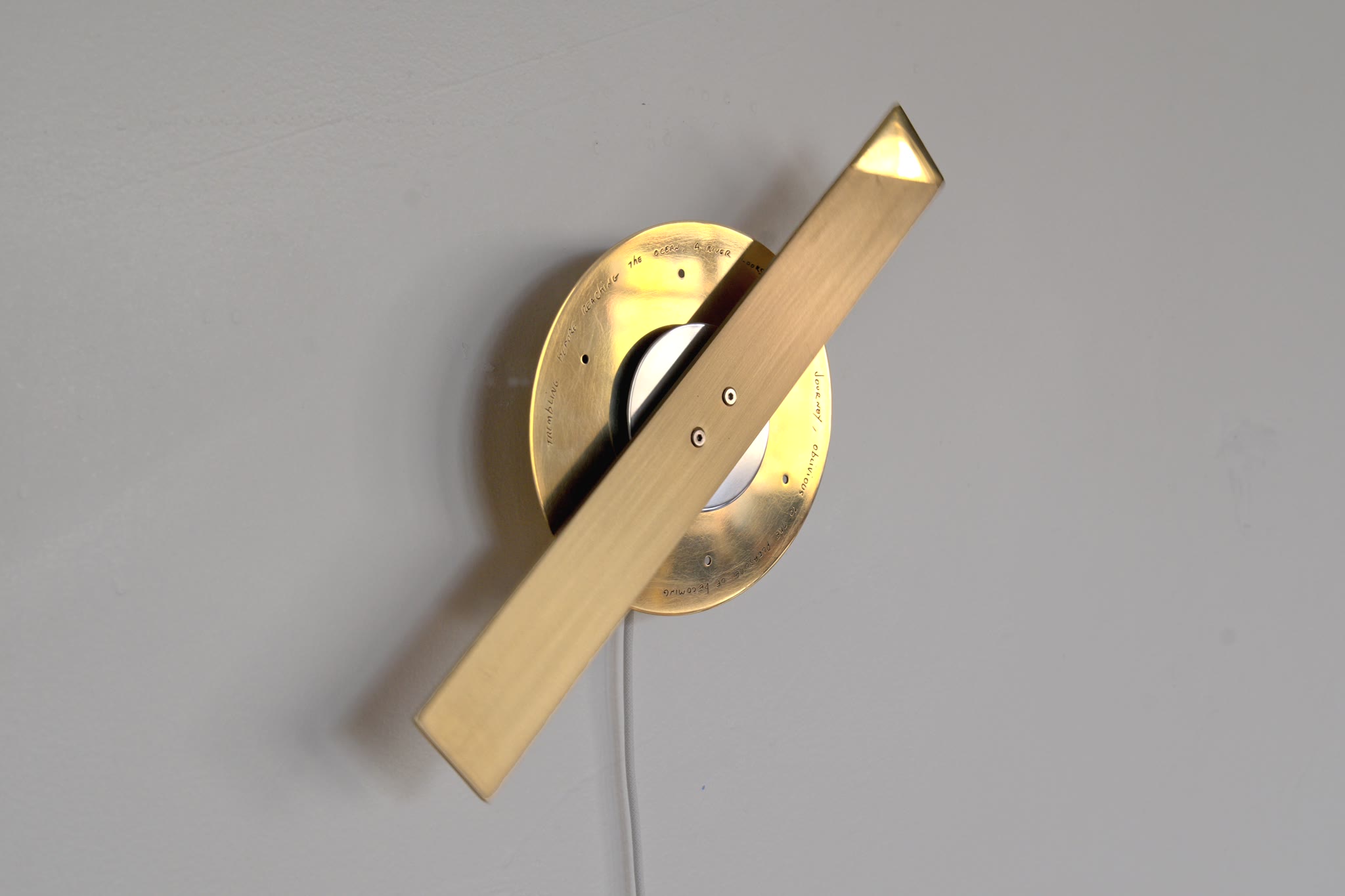
Witness Two
trembling before reaching the ocean, a river looks back on her journey, oblivious to the pleasure of becoming
The opposite of the claim. Not a god who judges, but a river afraid to dissolve. At the meeting point with something larger she looks back and fears disappearing, unaware that disappearing is the pleasure.
Witness Three
there is a sword glowing with flames, blocking the path to the third heaven, they say
The legend of the barred heaven, held at arm's length by "they say." The doubt is the content: a gate everyone believes in and no one has seen.
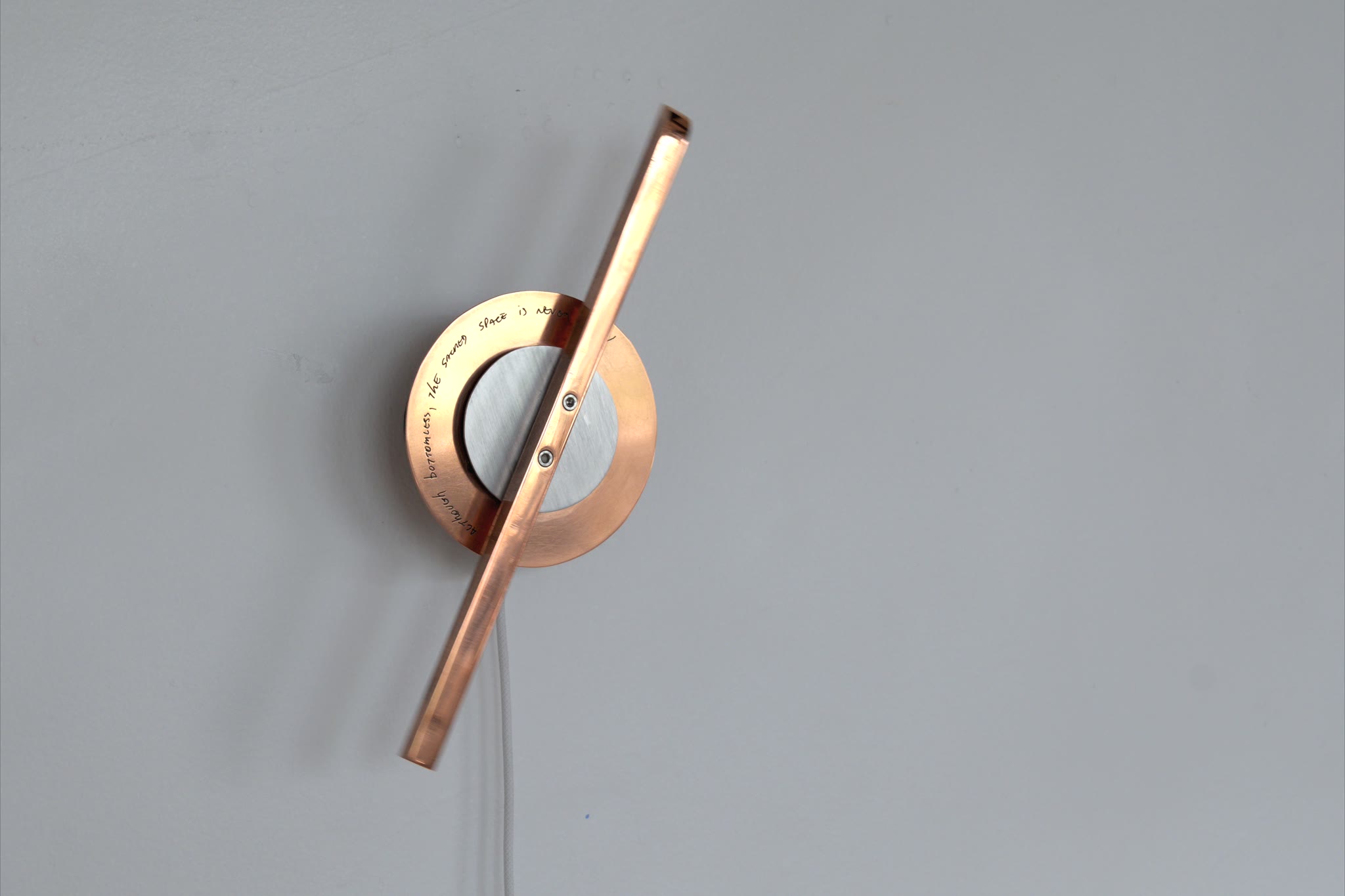
Witness Four
although bottomless, the sacred space is never empty
We believe we carry no dogma; we do. The sacred space is the room in us where inherited moral intuition lives, and it has no floor where the conditioning stops. Descend as far as you want, it is furnished all the way down.
Witness Five
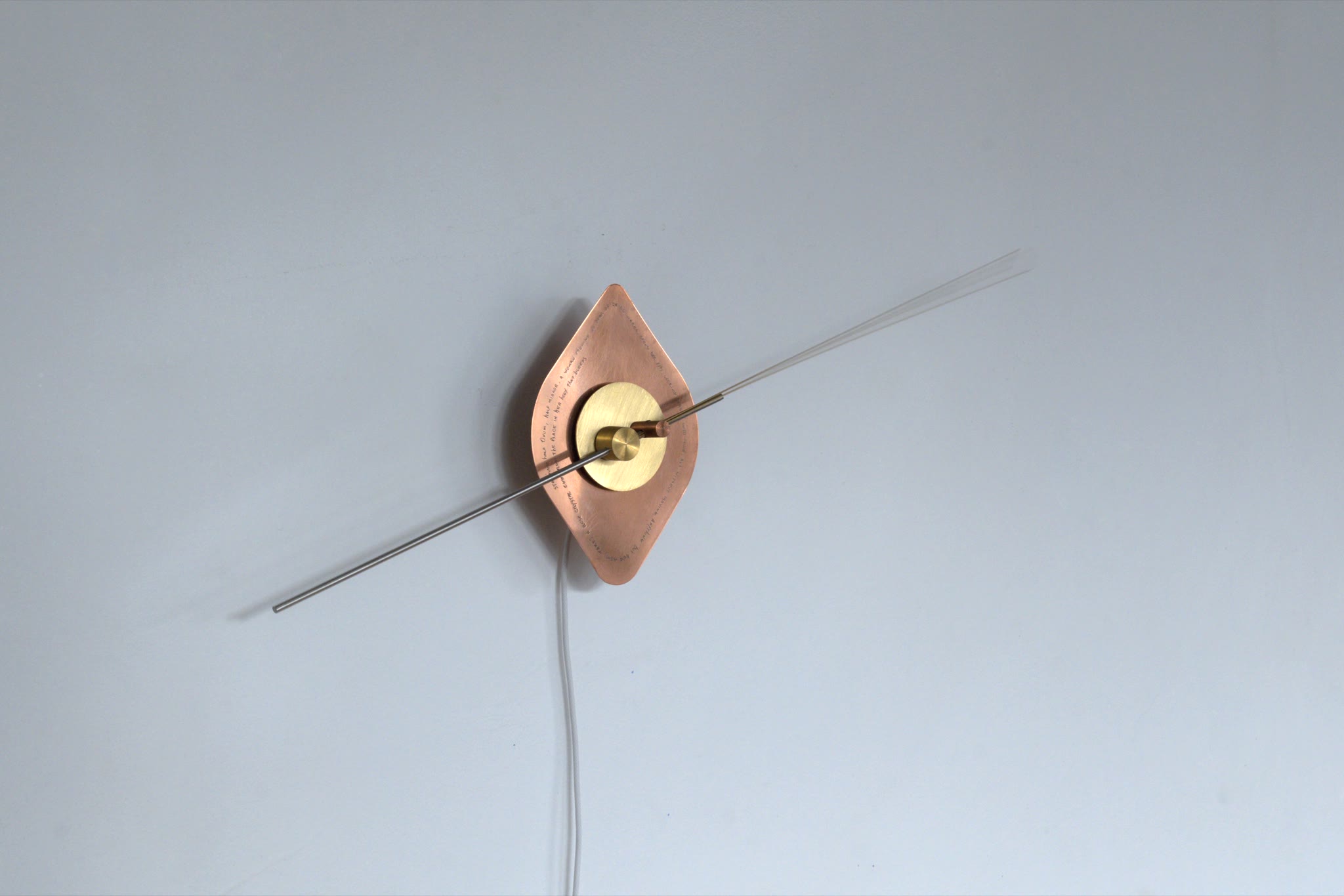
standing half Oxum, half mirror, a woman showing no fear of being naked opens her eyes looking exactly into mine, and without moving anything but her arm, takes a rose crystal egg from the place in her body that bleeds
The first gate is the body. Oxum, the Yoruba orisha of fresh water and sensuality, stands without shame and looks back at the witness, locating the sacred not in the sky but in the flesh that bleeds. The first subject in the series who returns the gaze.
Witness Six
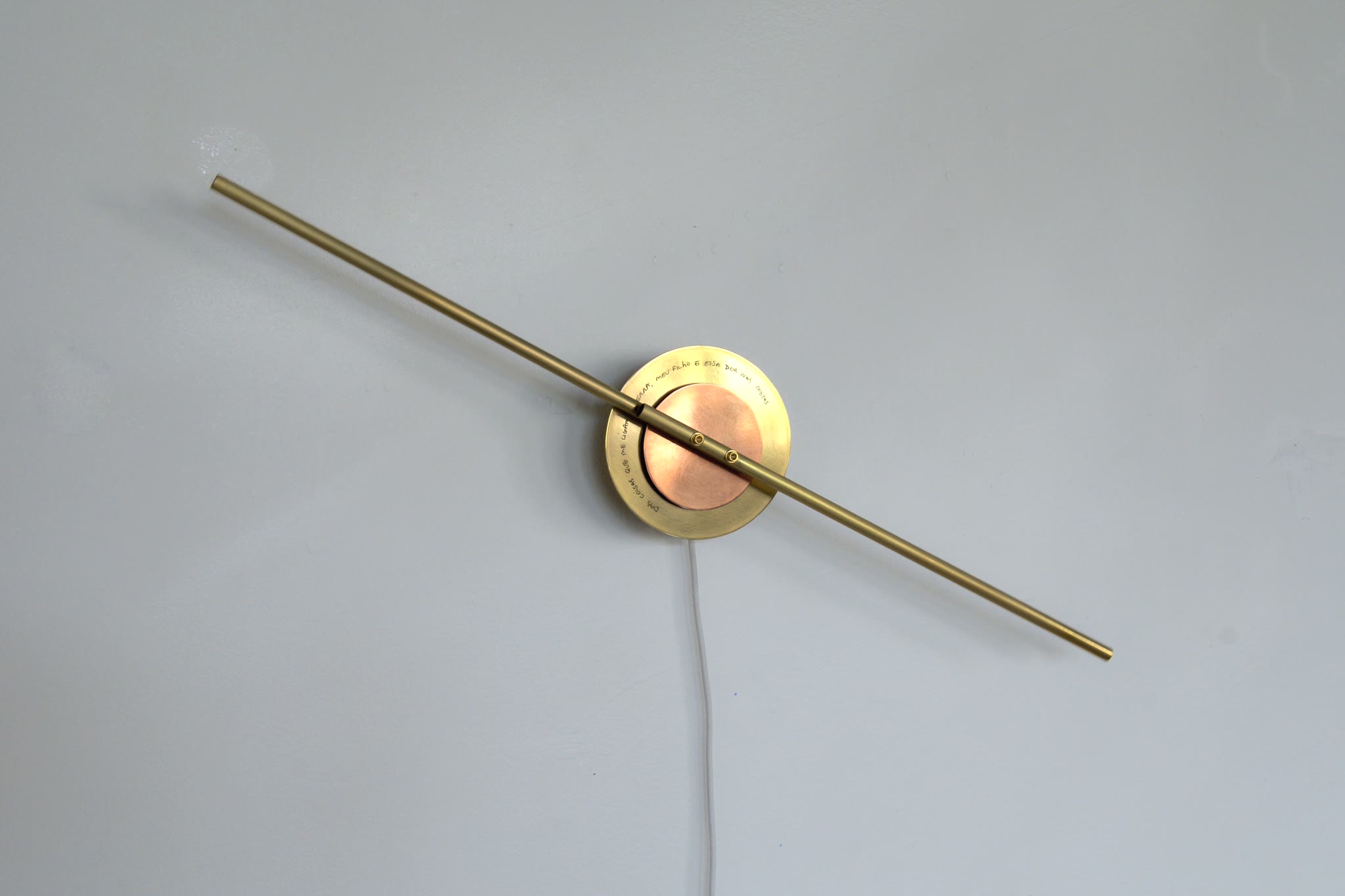
Das coisas que me ligam à terra, meu filho e essa dor nas costas
(Among the things that ground me to the earth, my son and this pain in my back.)
One witness turns away from the heavens and names what wires it to the ground: a son, and a body that hurts. Not symbols, the most material things a life contains. In Portuguese, ligam is the language of circuits, the same word as the electrical ground itself: the two connections that keep him plugged into this life instead of the next.
Witness Seven
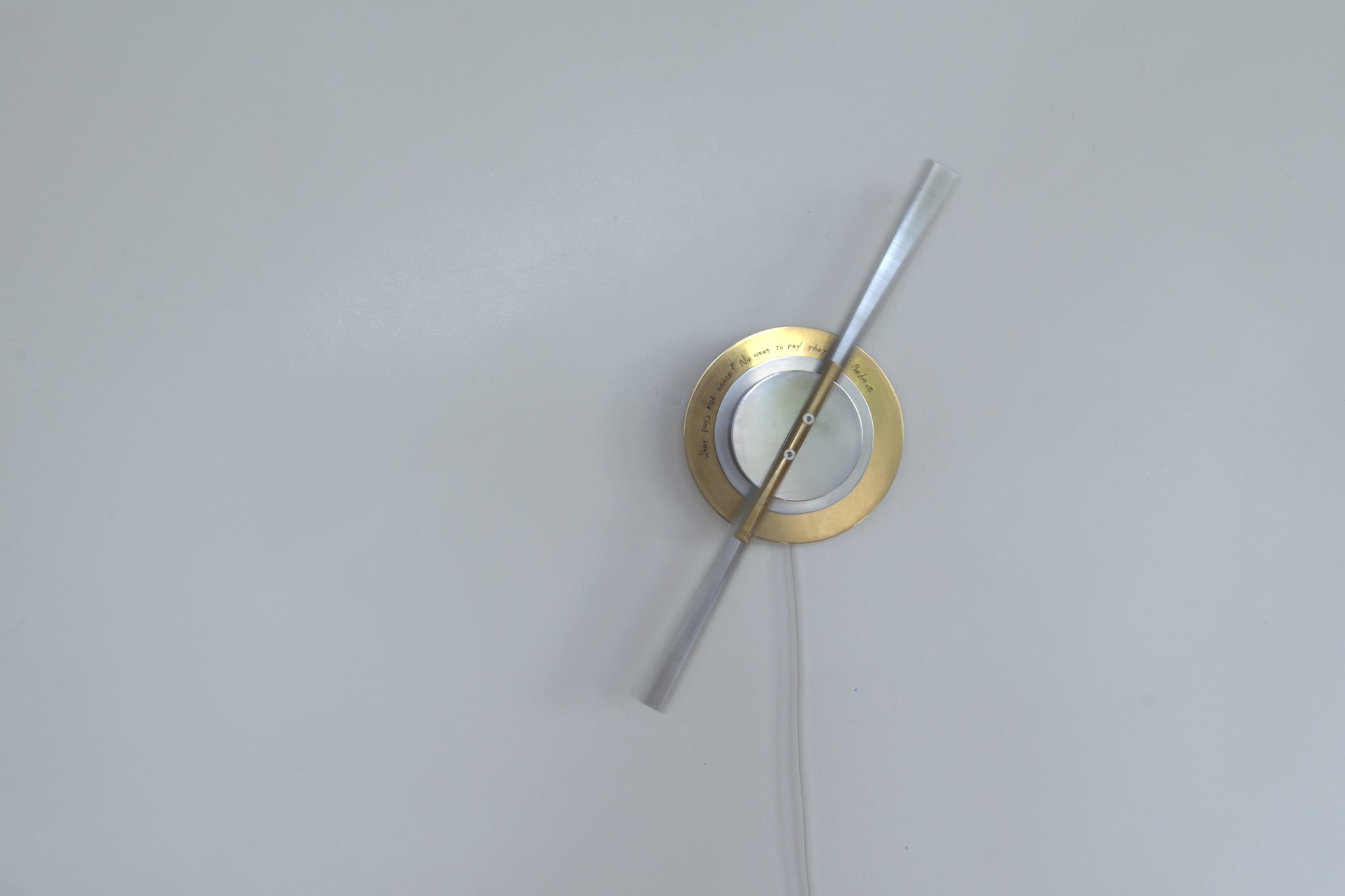
what pays for grace? No need to pay they say. behave.
Every heaven advertises free admission. This witness asks who is actually paying, and answers in a single muttered command. Grace costs nothing at the gate because the price was already collected, in the shape a life had to take to qualify.
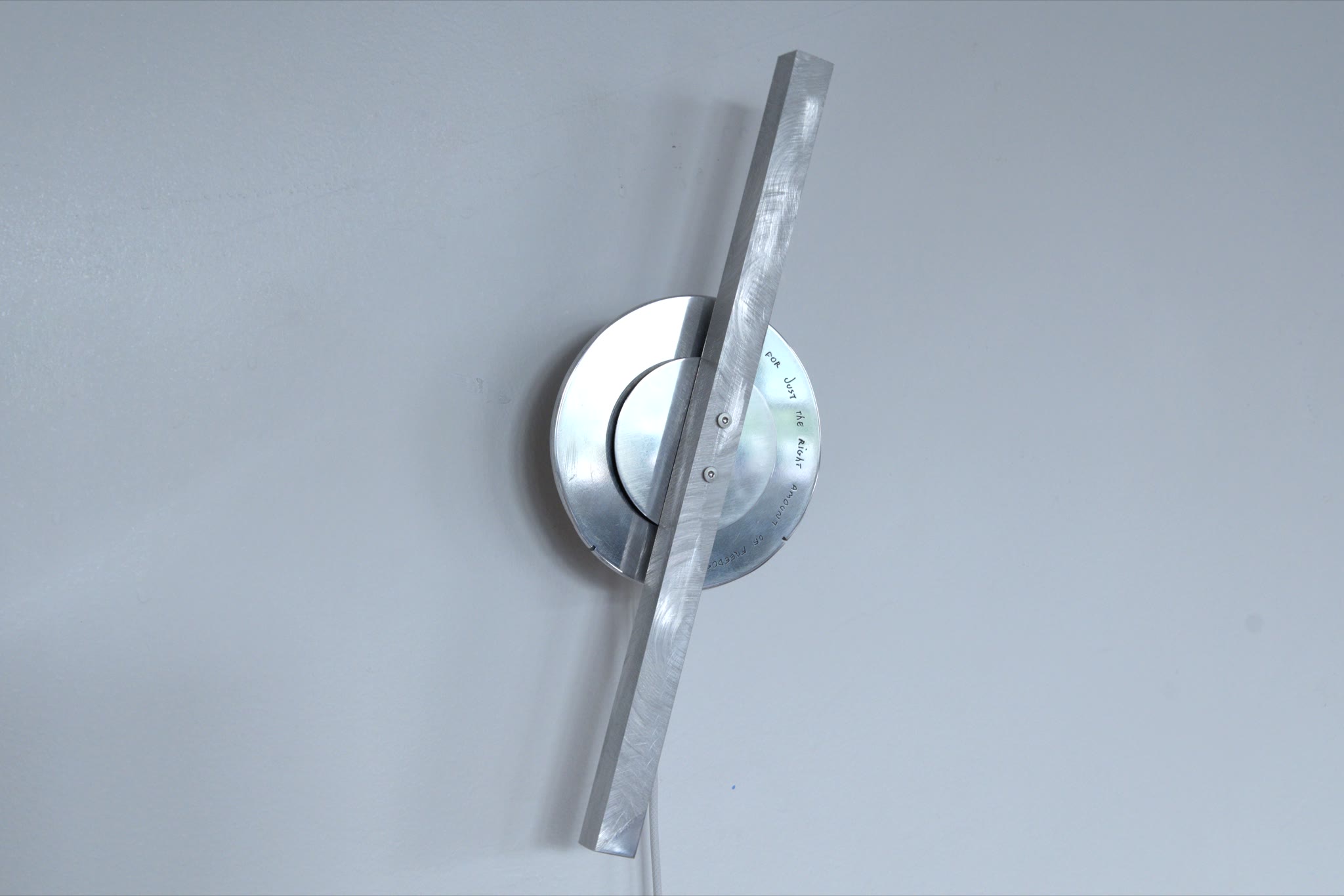
Witness Eight
in search for just the right amount of freedom
Between the loneliness of too much freedom and the erasure of too little, the witness walks looking for the exact livable distance. The most recognizable position in the series: everyone has walked this walk.
Witness Nine
Designed to reach the third heaven, now, mostly used for fun
The satellite, the rocket, the aspiration, all built to reach heaven, all drifted toward the market and the amusement. Not a complaint, a diagnosis: the gap between what a thing was for and what we actually do with it.
Witness Ten
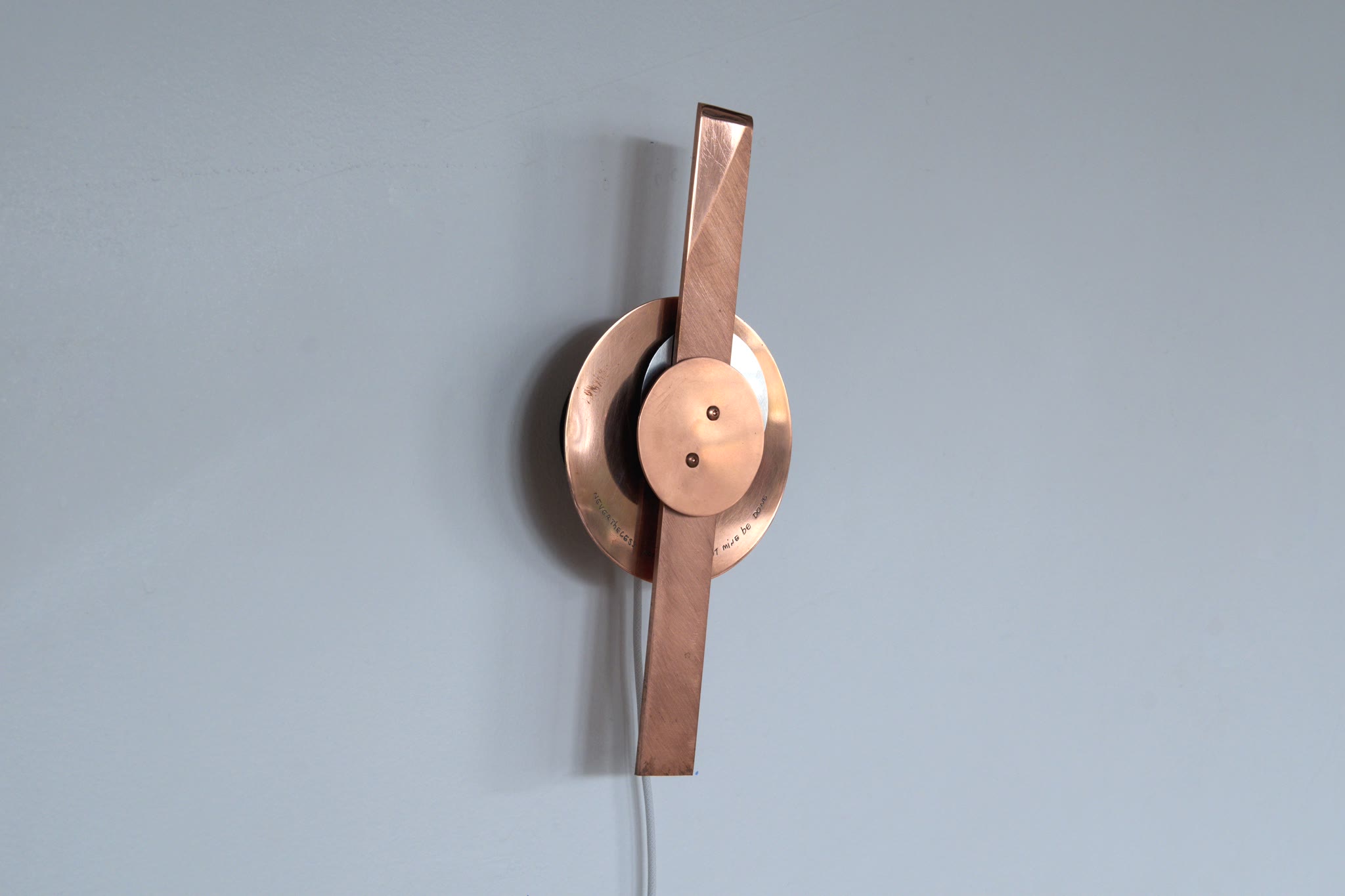
nevertheless not thy will, but mine be done
In the garden the original prayer surrenders: not my will, but thine be done. This witness reverses it. The creature takes back the sentence and claims its own will against the one who designed the orbit.
Witness Eleven
I again make an alliance with mystery
After all the arguing, the mature move: not solving the mystery, not dismissing it, but re-entering a relationship with it. "Again" is the key. The peace that earns the final silence.
Witness Twelve
silent
The twelfth carries no text. Its silence is not absence but the space the other eleven gather around. What the satellite sees on its passes over every claimed sky cannot be fully spoken. Eleven voices and one silence make the set an open question rather than a closed argument.
Materials and form
Each Witness pairs a warm metal lid, brass, copper, or aluminum, with a black 3D-printed body and a metal pointer that moves. The line on each lid is engraved in the artist's own handwriting, vectorized and cut on a fiber laser. Brass receives the engraving with depth and contrast; you have to lean in to read it.
The pairing of warm, ancient metal with a synthetic, contemporary body is not incidental. These sculptures are about the meeting of the technological and the human. The materials carry that meeting in their skin.
Diameters range from 23 to 56 cm. Each is a unique work.
Each Witness pairs a warm metal lid, brass, copper, or aluminum, with a black 3D-printed body and a metal pointer that moves. The line on each lid is engraved in the artist's own handwriting, vectorized and cut on a fiber laser. Brass receives the engraving with depth and contrast; you have to lean in to read it.
The pairing of warm, ancient metal with a synthetic, contemporary body is not incidental. These sculptures are about the meeting of the technological and the human. The materials carry that meeting in their skin.
Diameters range from 23 to 56 cm. Each is a unique work.
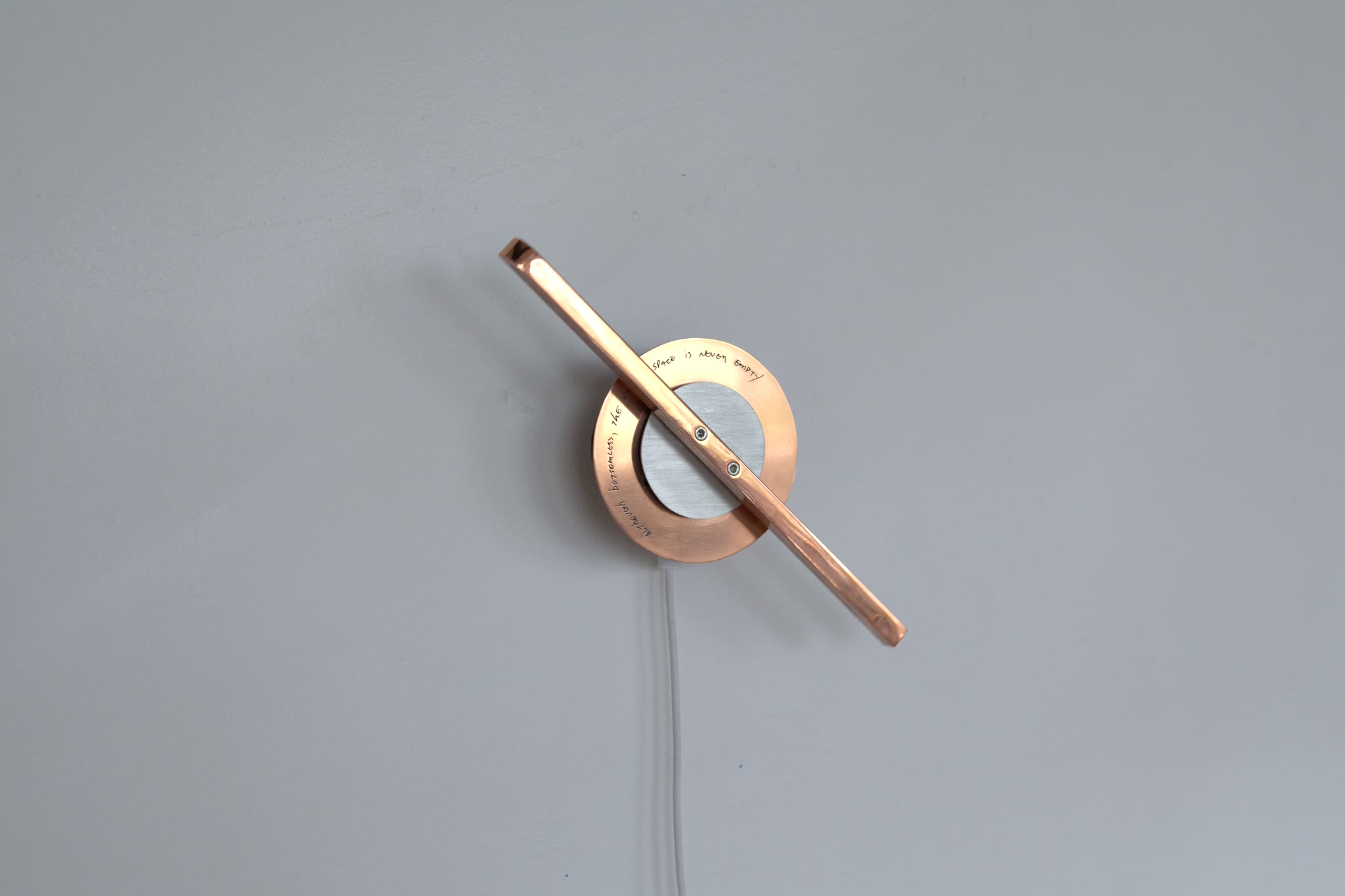
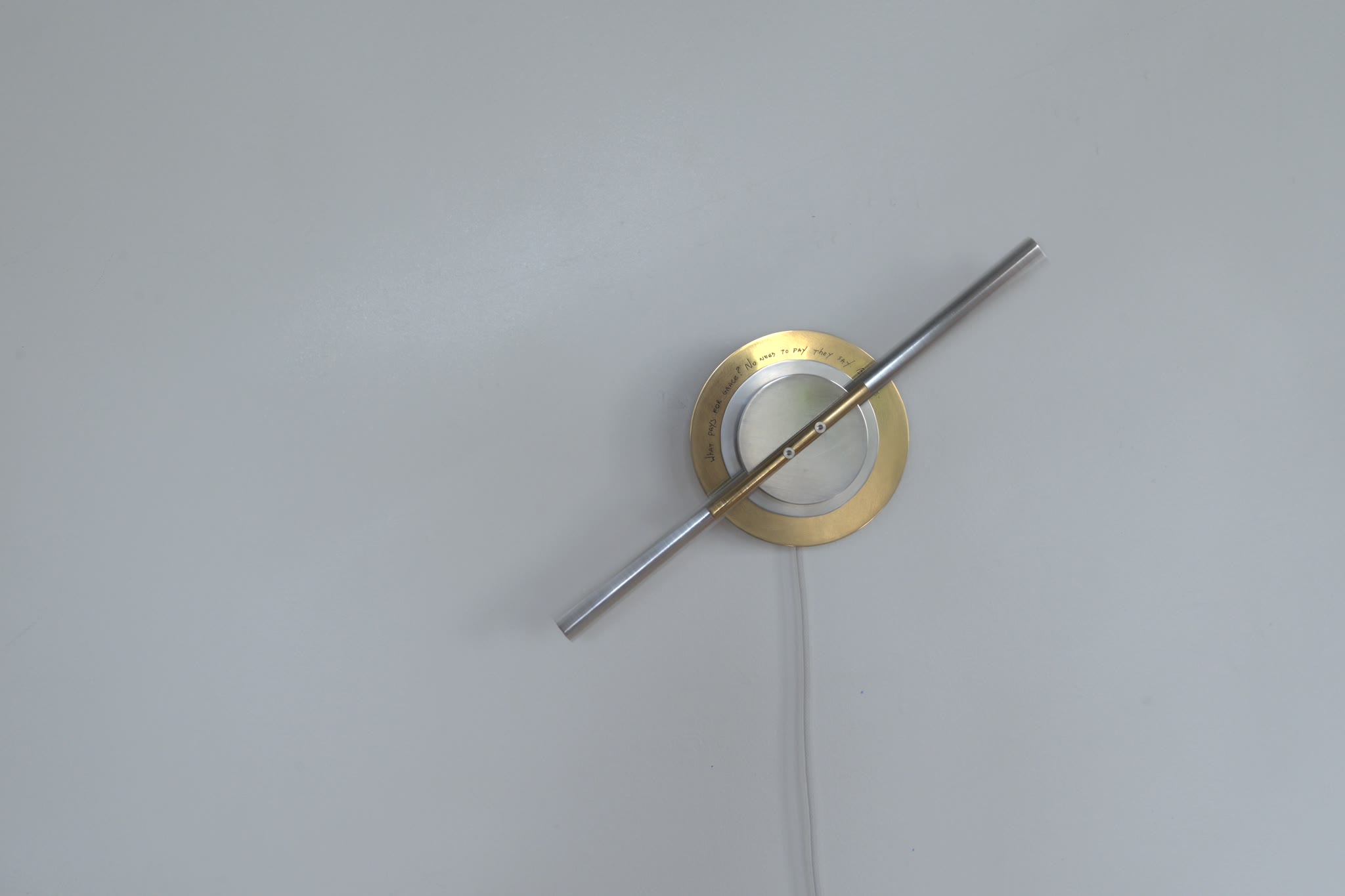
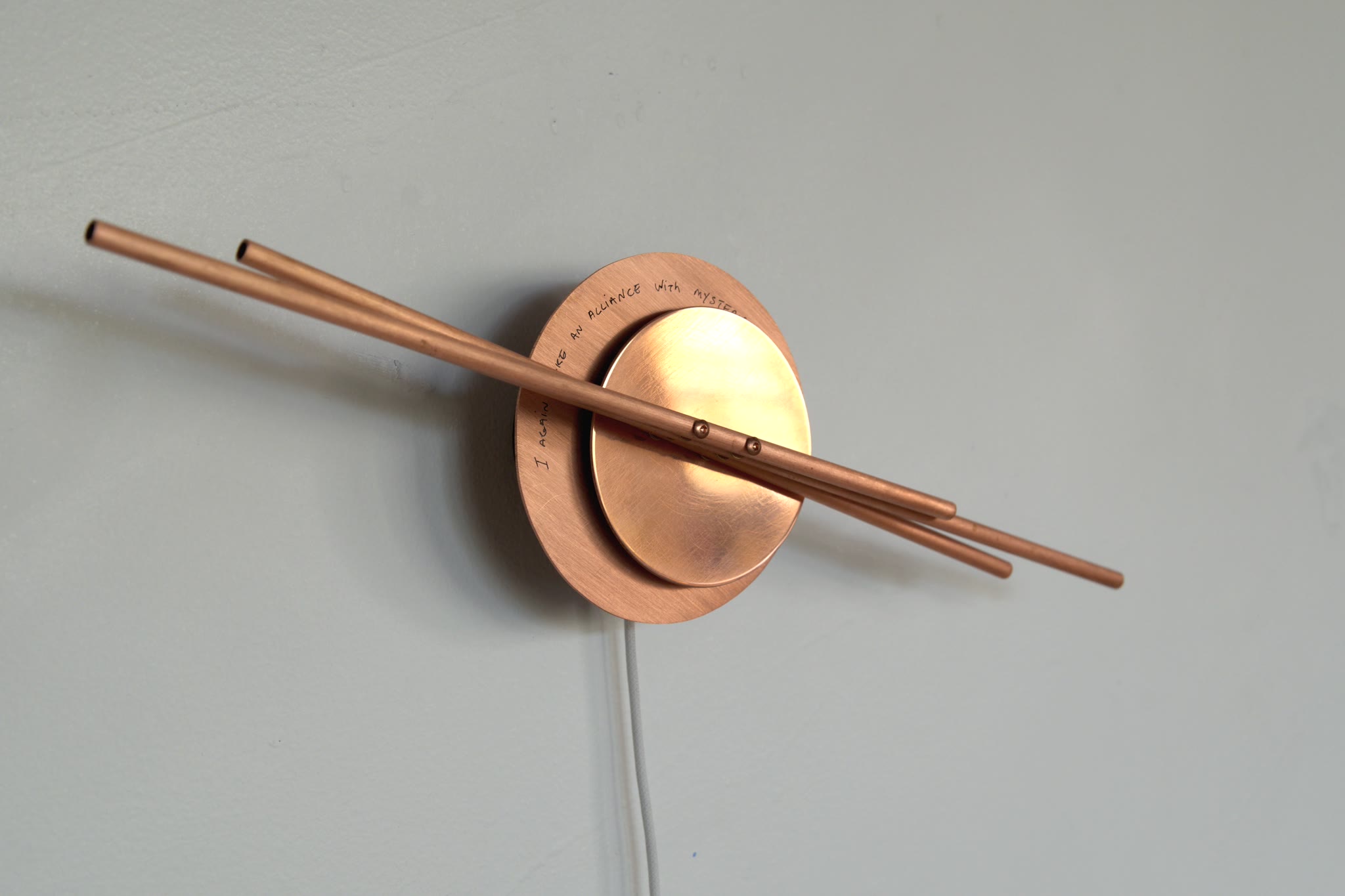
Details from the Orbital Witnesses series.
Photo by Edson Pavoni.
Photo by Edson Pavoni.
Part of Orbital Temple
The Orbital Witnesses are the terrestrial counterpart of Orbital Temple, the first artistic orbital satellite from the Global South. The satellite carries the names; the Witnesses keep watch.
The Orbital Witnesses are the terrestrial counterpart of Orbital Temple, the first artistic orbital satellite from the Global South. The satellite carries the names; the Witnesses keep watch.
Each Witness is a unique work, and there are twelve.
If one of them is speaking to you, write to me.
If one of them is speaking to you, write to me.
Exhibitions
2026
Maintain Frame Control
Curated by Millie Benson
14BC Gallery, New York, USA
2026
Maintain Frame Control
Curated by Millie Benson
14BC Gallery, New York, USA
Credits
Edson Pavoni, artist
Photography
Edson Pavoni
Edson Pavoni, artist
Photography
Edson Pavoni